
Wholesale confectionery sourcing requires buyers to balance brand and price with shelf life, seasonal timing, retail-pack condition and temperature exposure. Use this guide to assess the commercial value of the exact batch and shipment plan.
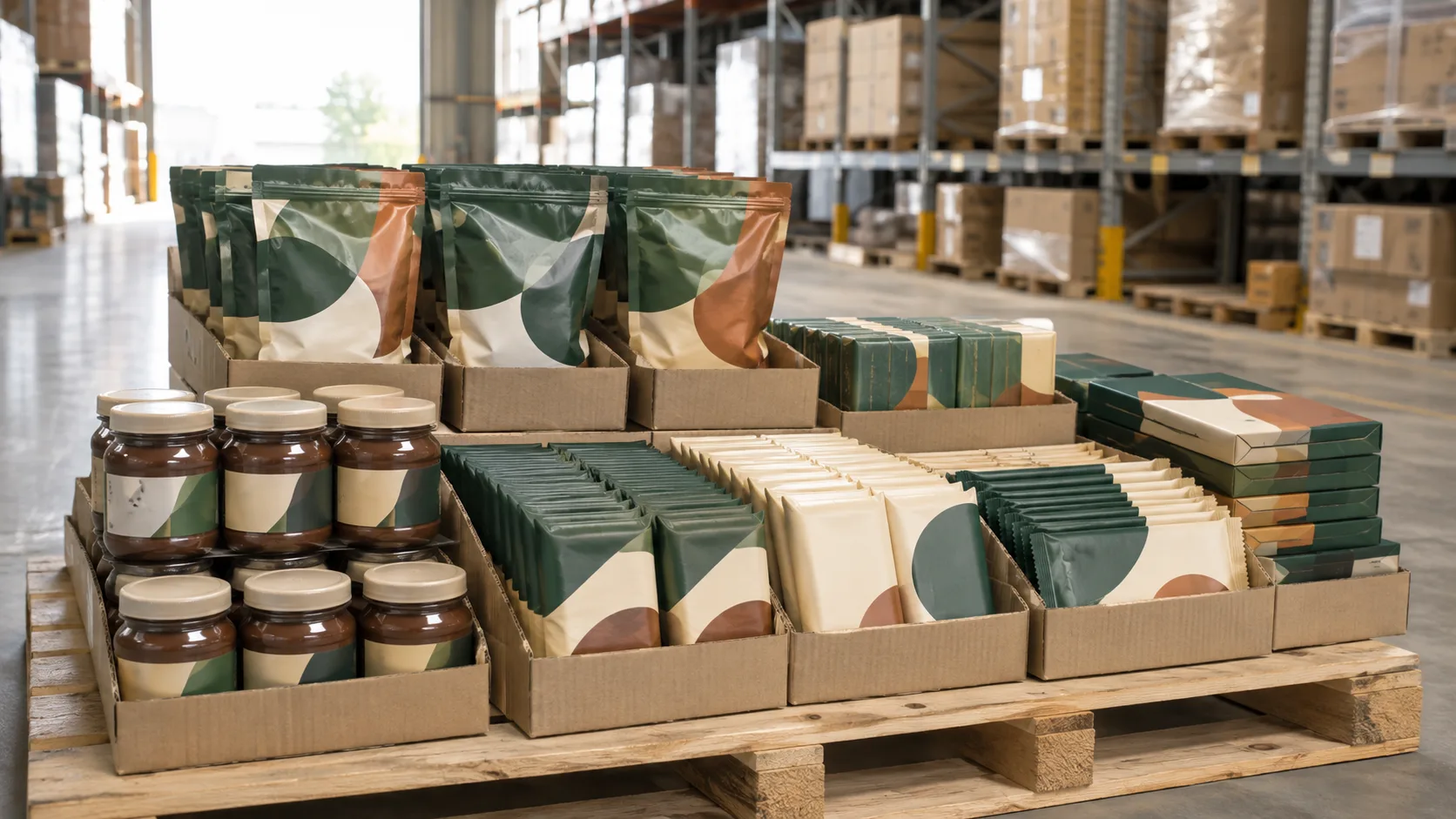
Wholesale confectionery sourcing: quick buyer checks
- Define the exact product, quantity, destination and non-negotiable commercial requirements.
- Use current written evidence for product, packing, date, document and logistics decisions.
- Resolve inconsistencies before approving the order, dispatch or payment.
Document the purchasing decision
Keep a dated purchasing file containing the buyer requirement, supplier response, product evidence, quotation revisions and final approval. Record who checked critical information and which source was used. For destination rules, customs treatment, legal terms, banking controls or regulated products, obtain advice from the responsible authority or qualified professional. This evidence supports consistent procurement decisions and makes later discrepancies easier to investigate.
Confectionery can generate strong repeat demand, but successful wholesale purchasing depends on more than selecting familiar brands. Shelf life, storage conditions, packaging integrity and seasonal timing all affect the commercial value of a shipment.
Define the product and market
Chocolate, biscuits, sugar confectionery and snack products behave differently during storage and transport. Tell the supplier where the goods will be sold, the expected retail period and whether local-language labels or specific pack formats are required.
Check remaining shelf life
Ask for the best-before information available at the time of quotation and confirm the minimum remaining shelf life required on arrival. Allow enough time for order preparation, international transport, customs clearance, distribution and retail sell-through.
Plan for temperature and handling
Chocolate and coated products can be sensitive to heat. Buyers should review the likely transport route and seasonal temperatures with their logistics provider. Packaging should also protect products against crushing, moisture and repeated handling.
- Units per display box and case
- Cases and layers per pallet
- Pallet height, gross weight and wrapping method
- Best-before dates and batch information
- Storage and transport recommendations
Order seasonal products early
Holiday and promotional ranges often have fixed production windows. Work backwards from the retail launch date and include contingency time. Early forecasts also improve the chance of securing the requested quantities and pack formats.
Browse Atoutime Global’s confectionery and snack products, then request current availability and commercial packing details.
Assess sell-through before accepting short-dated stock
Calculate how much selling time remains after preparation, transport, customs clearance, warehouse receiving and distribution to stores. A discounted batch can be uneconomic if it requires markdowns or cannot reach customers before the agreed minimum date. Ask the supplier to identify the quantity attached to each batch and state whether the remaining shelf-life requirement applies at dispatch or arrival.
Protect confectionery during loading and transit
Confirm manufacturer storage instructions for each SKU and discuss seasonal route temperatures with the carrier. Chocolate, filled products, biscuits and sugar confectionery can have different sensitivity to heat, moisture, odour and crushing. A mixed pallet should place heavier cases below lighter retail packs and use stable wrapping without damaging display cartons.
For seasonal ranges, align the order deadline with the promotion launch, not only the expected delivery date. Include time for artwork or label review, stock allocation, inspection and contingency. Buyers can browse the wholesale confectionery overview before requesting current availability.
Buyer FAQ
What shelf life should wholesale confectionery have?
There is no universal period. Set a minimum based on transit, distribution and expected sell-through, then confirm it for the allocated batch.
Does chocolate always need refrigerated transport?
Not necessarily. Follow the manufacturer specification and assess seasonal temperatures, route exposure and the risk of heat damage with the logistics provider.
Can different confectionery brands share one pallet?
Compatible products can be reviewed for a mixed pallet when case strength, storage needs, MOQ and pallet stability permit.
Related buyer resources
Continue with evaluating shelf life, storage and quality and planning for peak retail seasons, or send the exact products, quantities and destination through the Atoutime Global quotation form.